The Trees Have Unionized
The Trees Have Unionized beneath the canopy

Missoula, Montana · 1978–1993

The Trees
Have Unionized

Every canopy casts a shadow.

A forest agreeing to grow the same height is not peace. It's just a lower ceiling.— Emerson Roth, from the liner notes he refused to gloss

The Forty Pages

The Forty Pages

They shared exactly one taste: the impossibly ambitious. Curtis Reave could sing higher than seemed advisable and play bass and synth pedals while he did it. Ambrose Teller played guitar in tunings he still will not name. Emerson Roth played drums and, it turned out, wrote every word.

On the third night, Roth set roughly forty handwritten pages on the table and said it was an album — a concept record, in three parts, about a forest that votes to unionize. Reave read it twice. Teller read it once and said he could already hear it. They spent the better part of a decade on the saga. In no interview did any of them ever explain what it was about. "Saying it," Roth offered once, "would make it smaller."

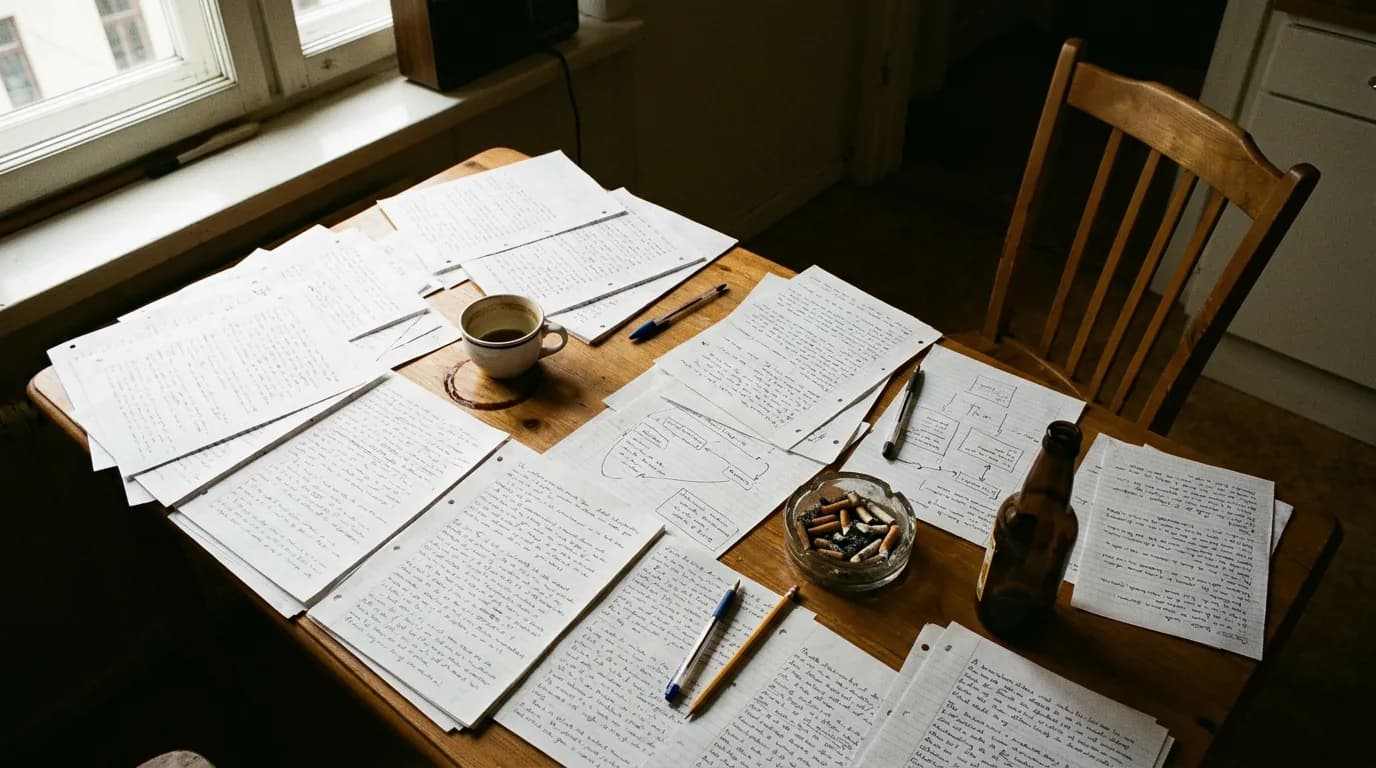
The kitchen table, Missoula.
The kitchen table, Missoula. November 1978. Roth kept the drafts. There are forty pages here and no music on any of them — the songs came later and took less time. One sheet, near the centre, is a diagram rather than a lyric: four boxes and a set of arrows, with no legend.

The Saga

In three movements

Three records, issued across five years, read as one work. The band never said what it was about. On principle. The archive presents the saga in order, without gloss.

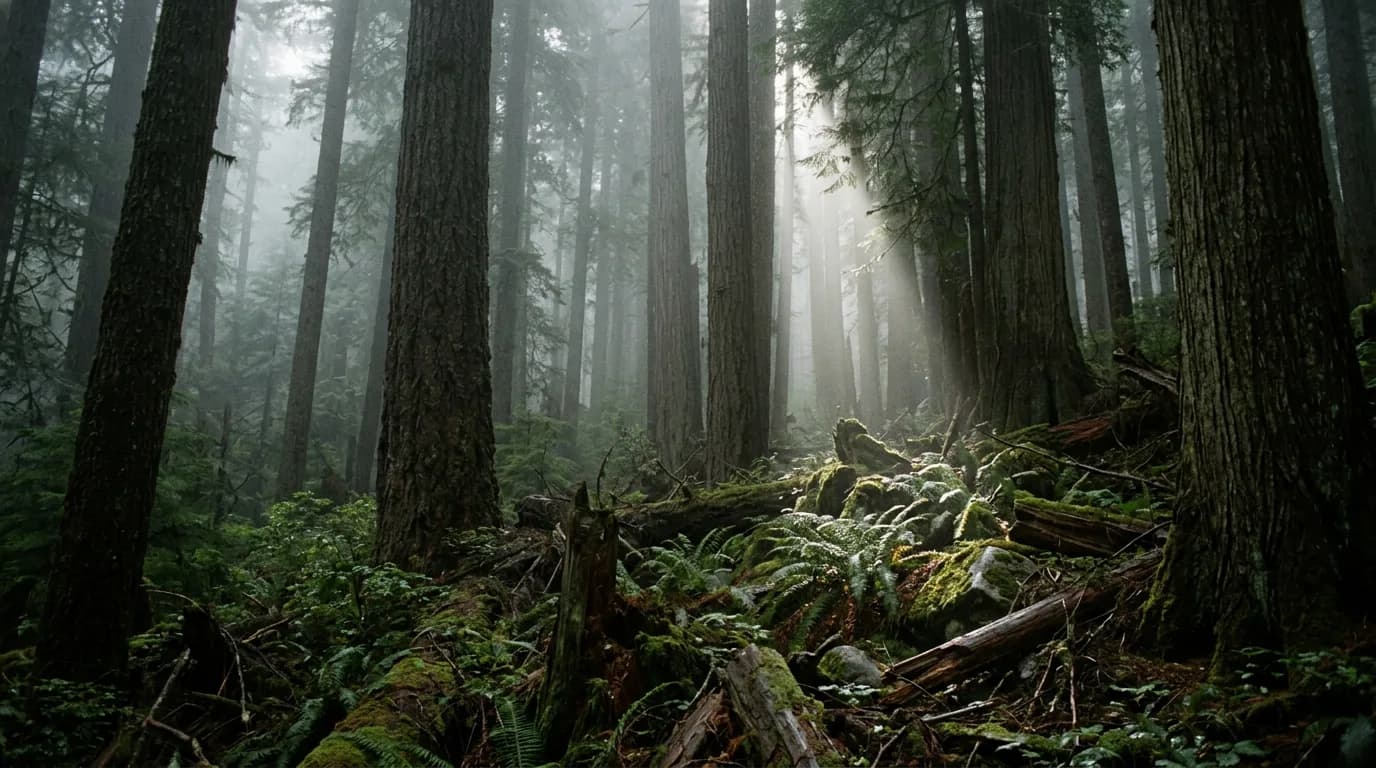
Looking up into an old-growth canopy

I

The Forest as It Was

The Wild Wood

1980 · 7 parts

The debut — a manifesto disguised as botany. Reviewers who counted called it "long." Reviewers who listened called it "very long, and about something." Both pressings sold modestly and are now traded quietly among people who make too much eye contact.

The first record, *The Wild Wood* (1980), is the forest as it was — every tree reaching, at its own pace, for its own patch of light. Uneven. Wild. Alive. The suites sprawl; the light is never shared equally; and the band does not present this as a problem to be solved. A tree grows as tall as it can reach, and the ones beside it are neither its debt nor its property.

Words & liner notes →
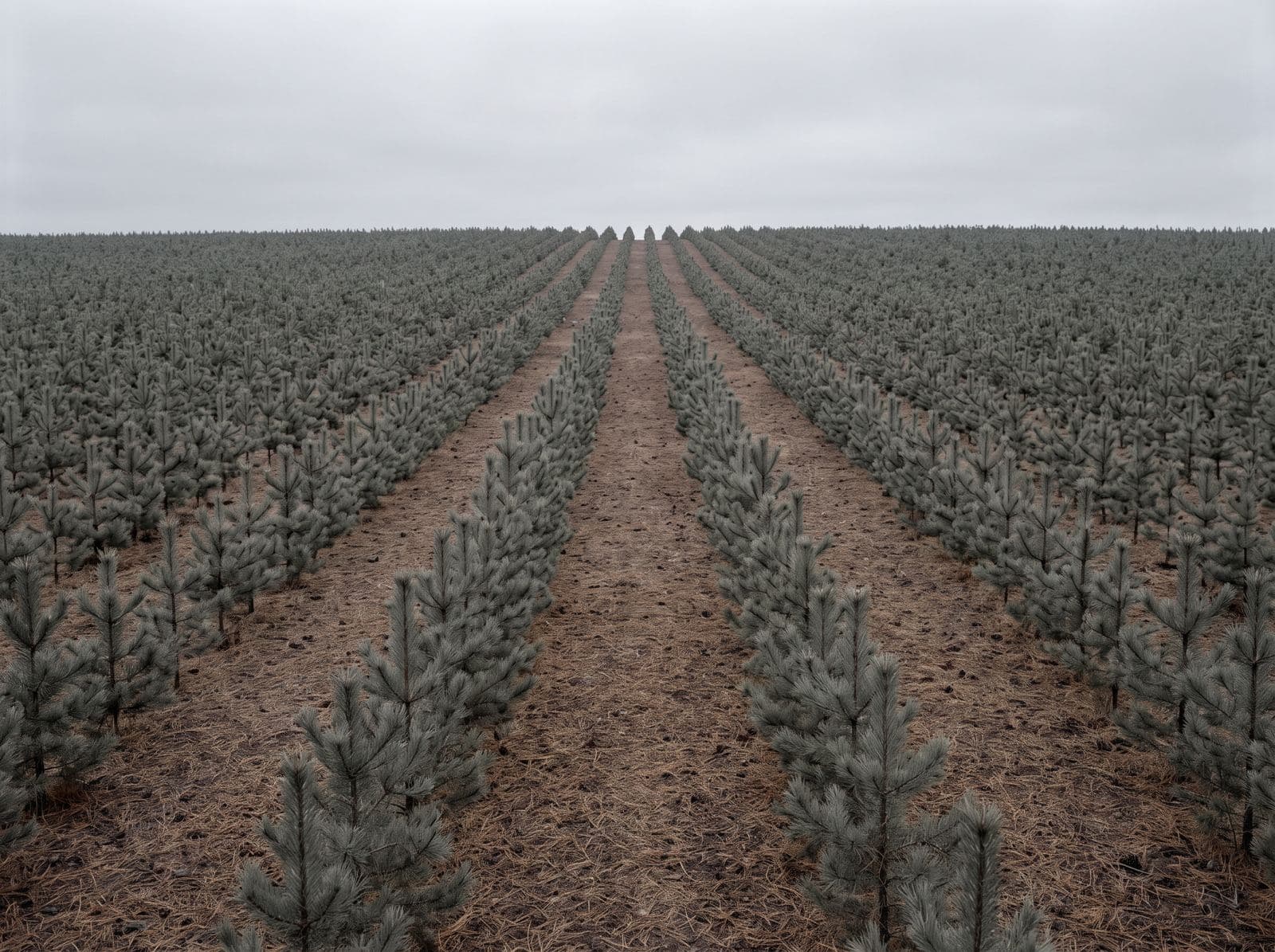
Even rows of identical young trees

II

The Convening

Equal Light

1982 · 8 parts

The centerpiece and the argument. Side two is a single twenty-two-minute suite scored like a committee meeting. The band declined every request to explain it. A prog quarterly called it "the most beautiful thing ever written about a zoning dispute," which the band allowed.

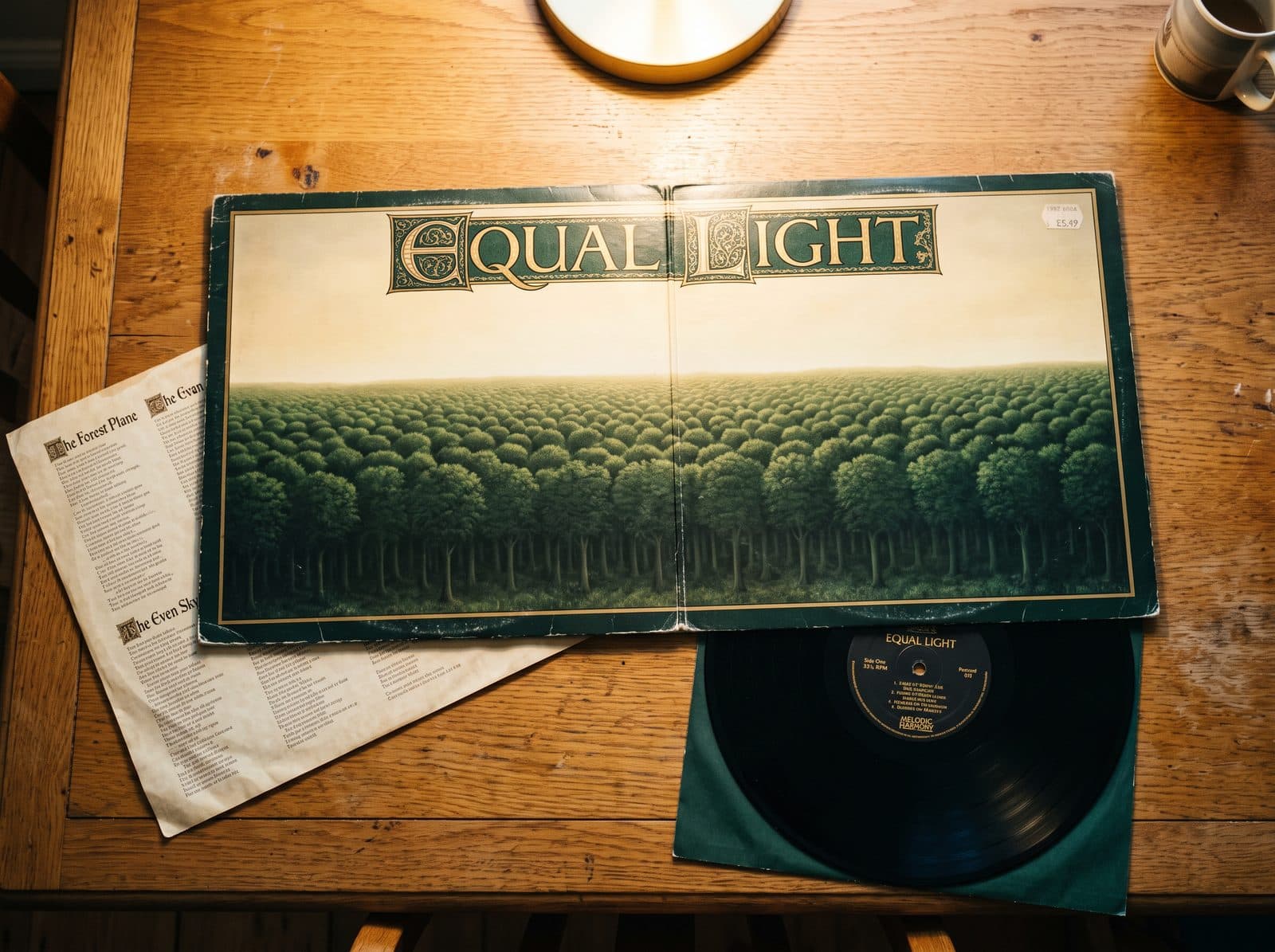
*Equal Light* (1982) is the center of the saga and the reason people still argue about the band. The forest convenes. It votes. The canopy will be shared, the light made equal, no tree left in another's shadow. And — the band insisted on this — the warmth is real. The belonging is real. The record lingers, generously, in the comfort of it before it turns.

Words & liner notes →
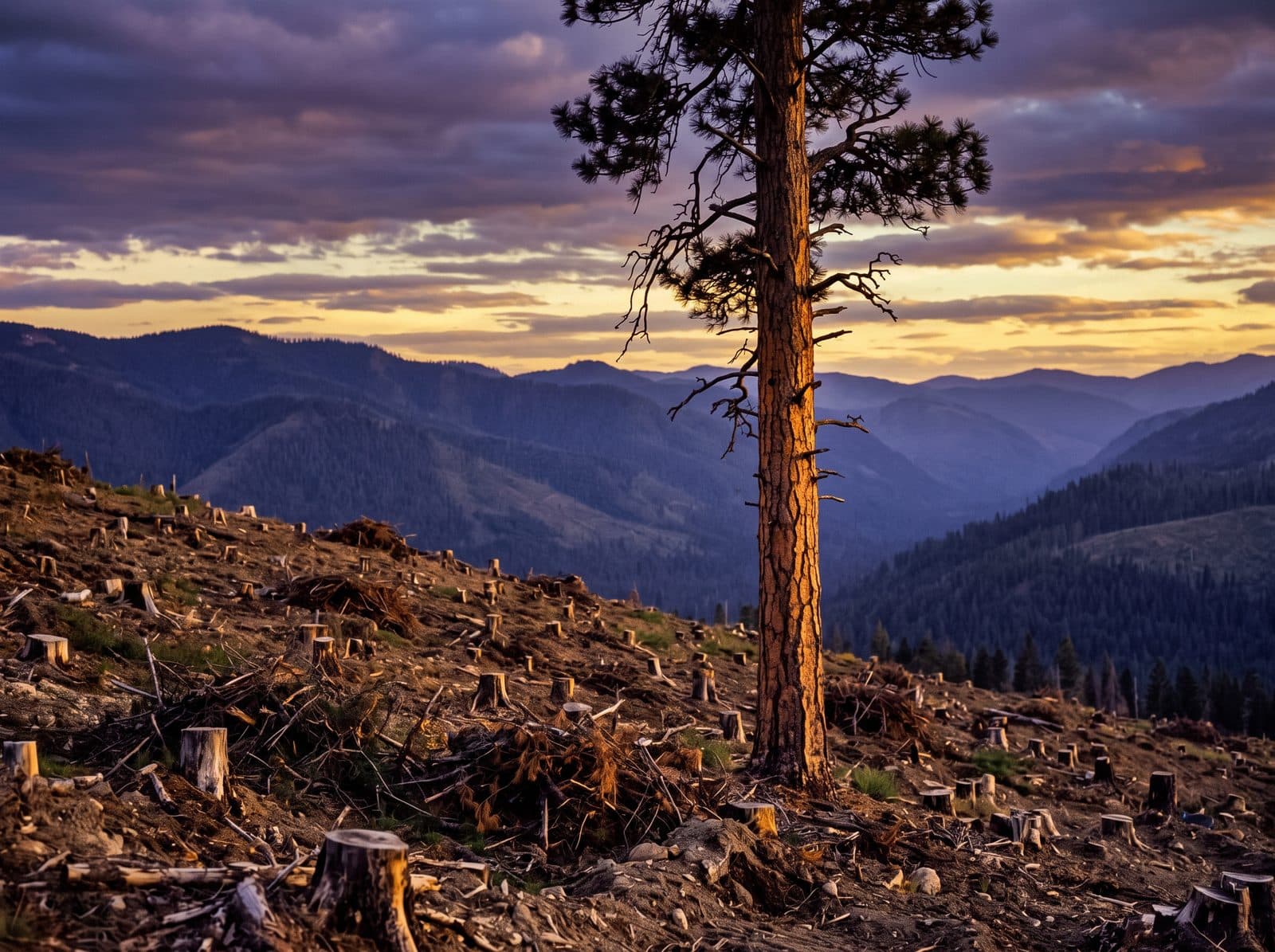
A single tall tree standing in a cleared hillside at dusk

III

Aftermath

One Tree Standing

1985 · 8 parts

Their last record. The closing movement is ninety seconds of one sustained chord and two words. Old Growth Records printed the lyrics in full; the band asked them not to. They compromised — the words are there, in a typeface you have to work to read.

The saga closes with *One Tree Standing* (1985). Most of the record is aftermath — the managed wood, even and quiet and dim. But there is a grove, remote, that kept governing itself, too far from the Canopy Authority to be leveled; and there is one tree that simply would not come down. The final movement is not a battle. It is a tree, still reaching, saying the smallest and largest thing in the whole three-album work: *I can.*

Words & liner notes →
An opened gatefold record sleeve with a painted forest

The Three

A power trio, by any measure

Curtis Reave

Curtis Reave

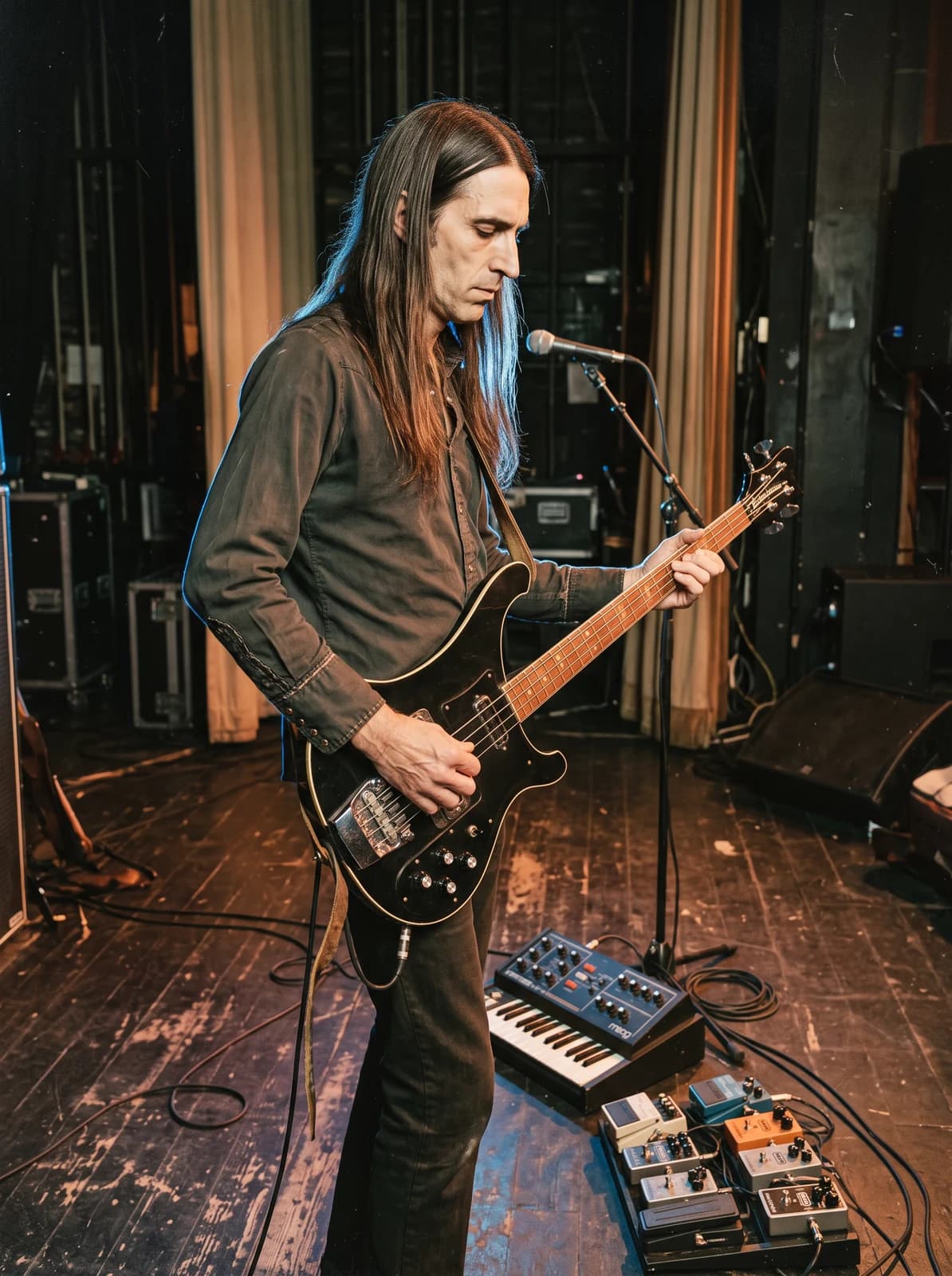
Bass, Taurus bass pedals, synthesizers, lead vocals

“If it were easy, we would have played it faster.”

Still hits the high notes, reportedly. Runs a small studio; still uses the bass pedals.

Ambrose Teller

Ambrose Teller

Electric, twelve-string and classical guitars

“I just play what the drummer's writing about.”

Teaches guitar. Will not explain the tunings.

Emerson Roth

Emerson Roth

Drums, percussion, lyrics

“A forest agreeing to grow the same height is not peace. It's just a lower ceiling.”

Still writes. Declined to say about what. The liner notes were always the point.

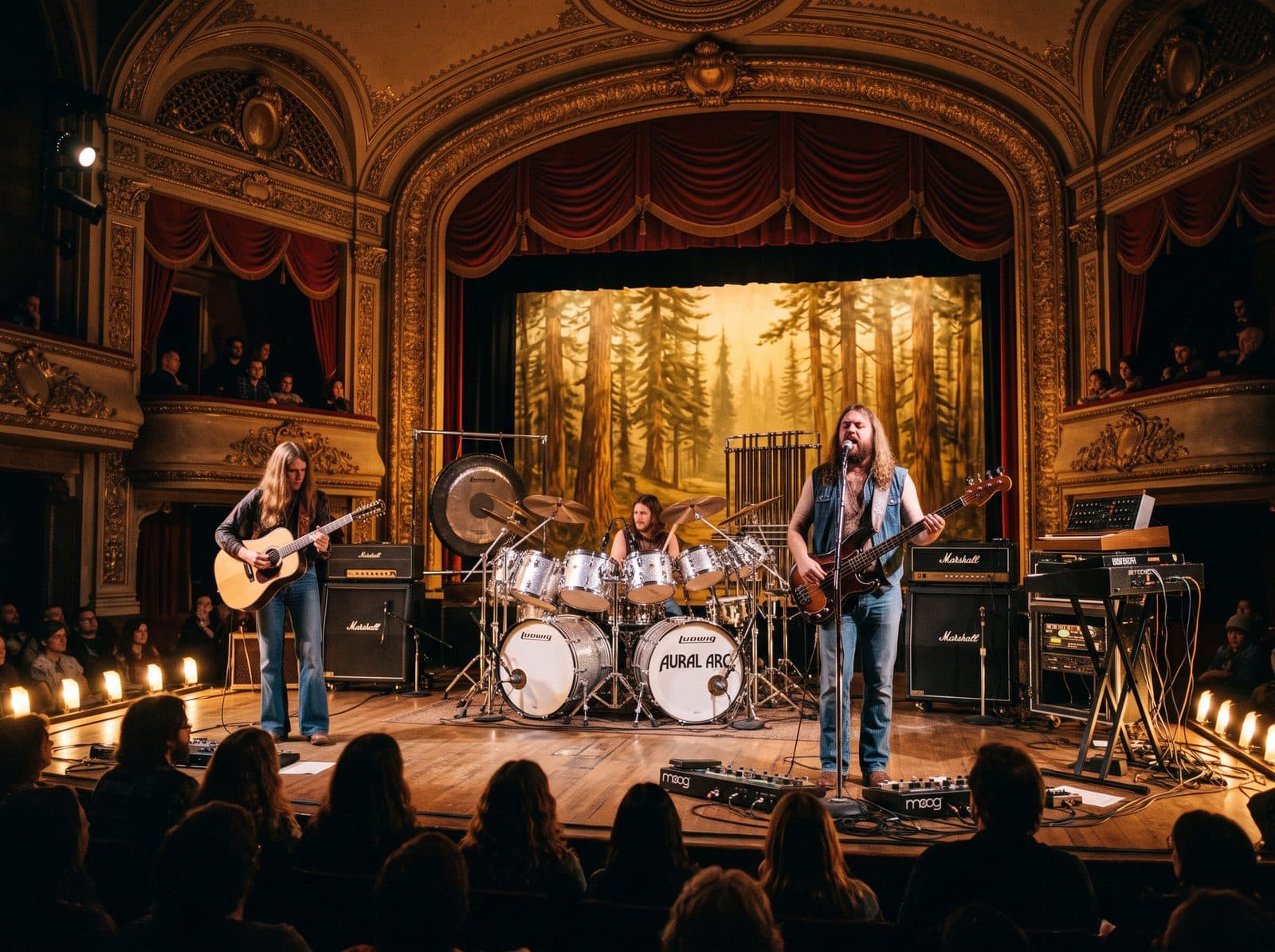
The trio performing in a small Montana theatre

From the Archive

Photographs, 1978–1981

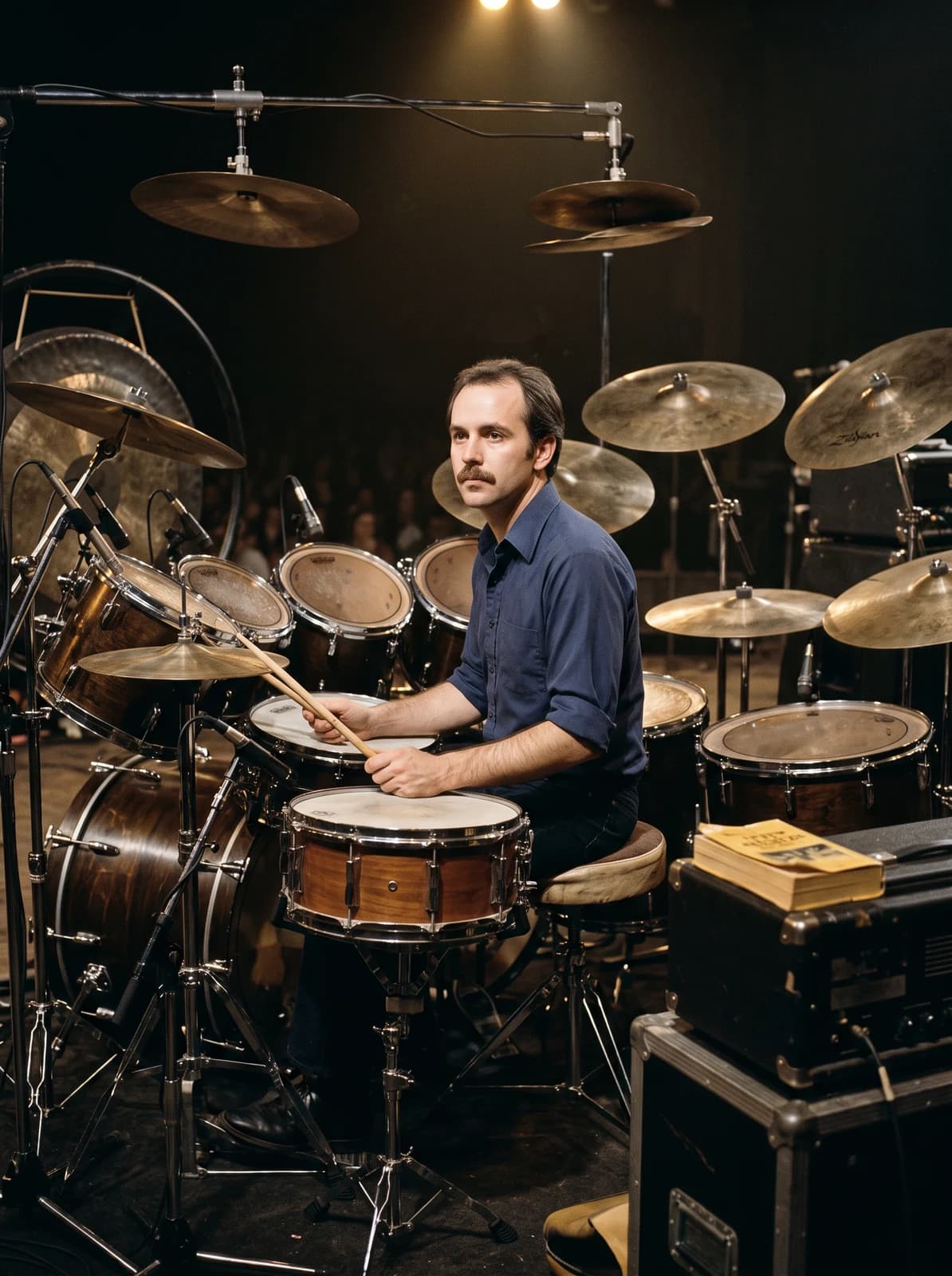
Reference photograph.
Reference photograph. Spring 1980 · Lolo National Forest. One of eleven frames from a single roll, all of the same stand of timber. What they were checking against, none of them ever said. Attributed to Ambrose Teller.
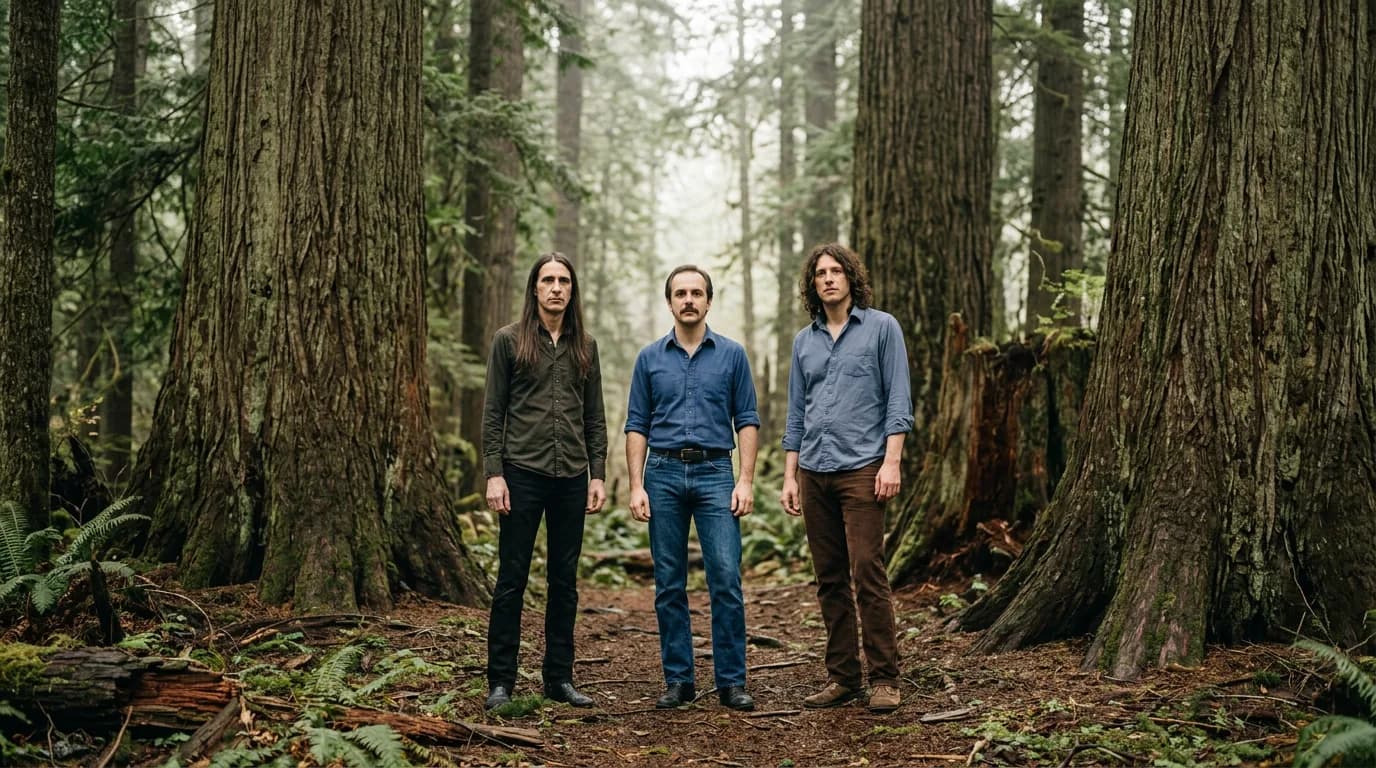
Label publicity photograph.
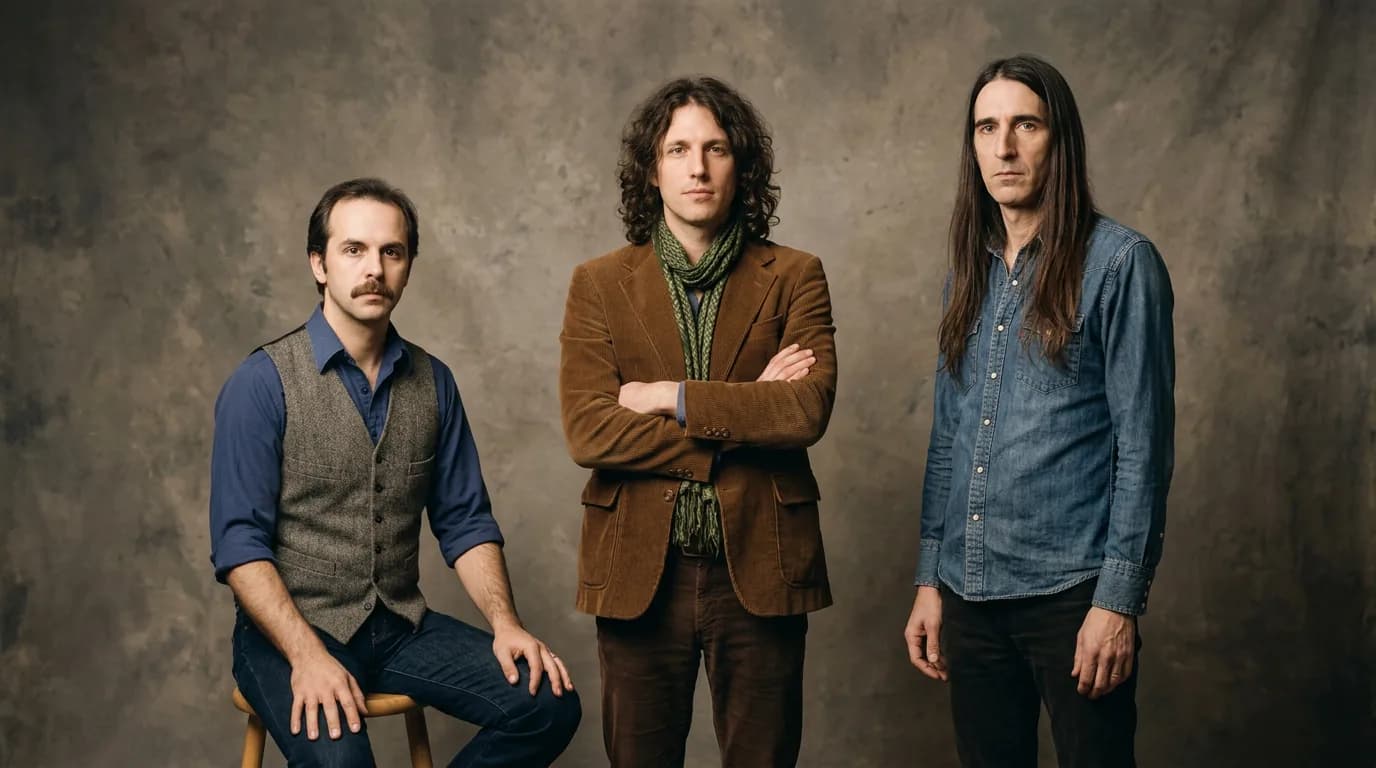
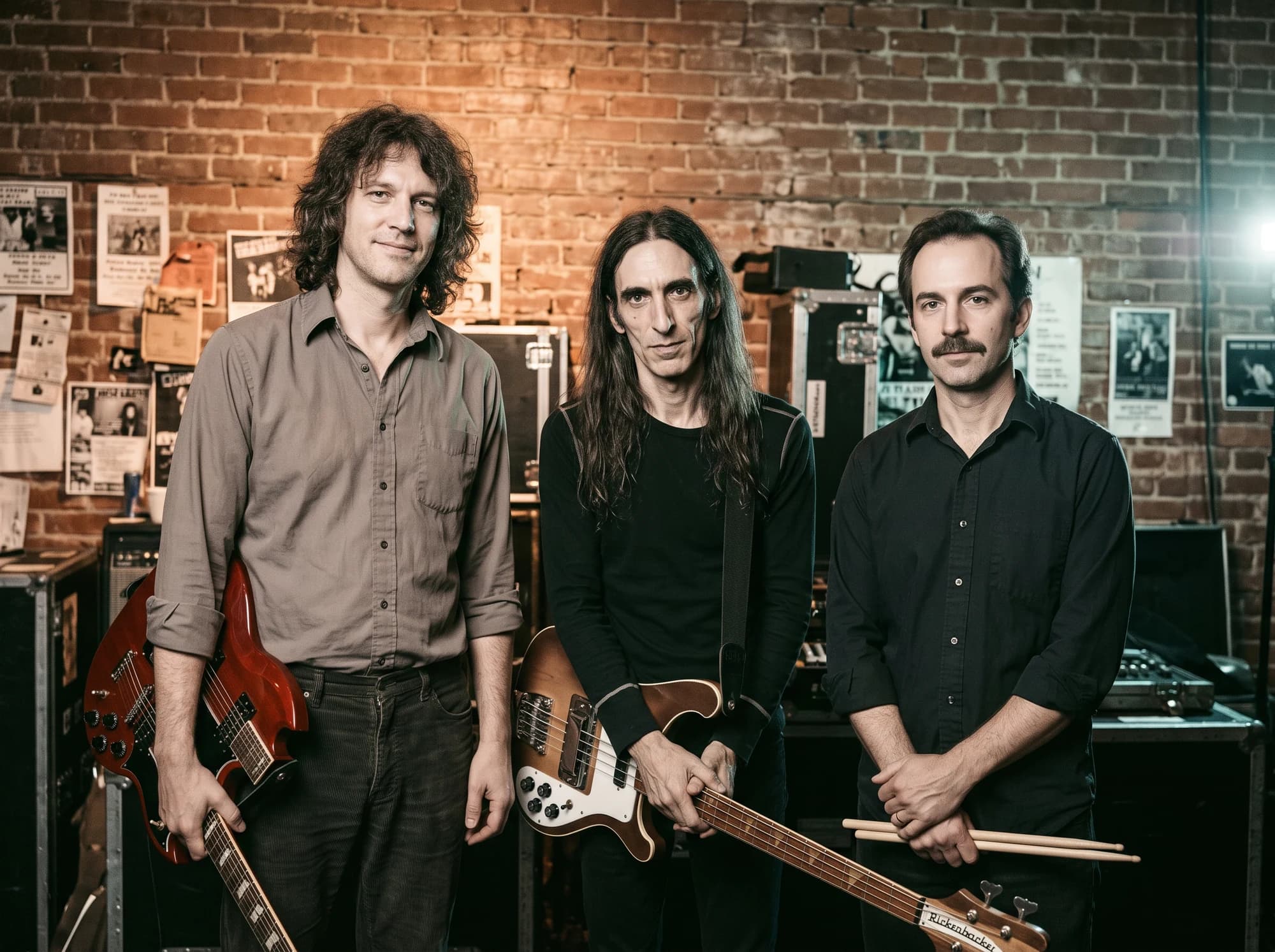
Label publicity photograph. 1980 · Western Montana. Issued to press with the first record. Reave at left, Roth centre, Teller at right. Photographer unidentified.
Studio portrait, unused.
Studio portrait, unused. Summer 1980 · Missoula. The label wanted a portrait for the trade press; the band supplied one and then declined to approve it. The sitting cost forty dollars and was billed against the record. Photographer unidentified.
Load-in, side door.
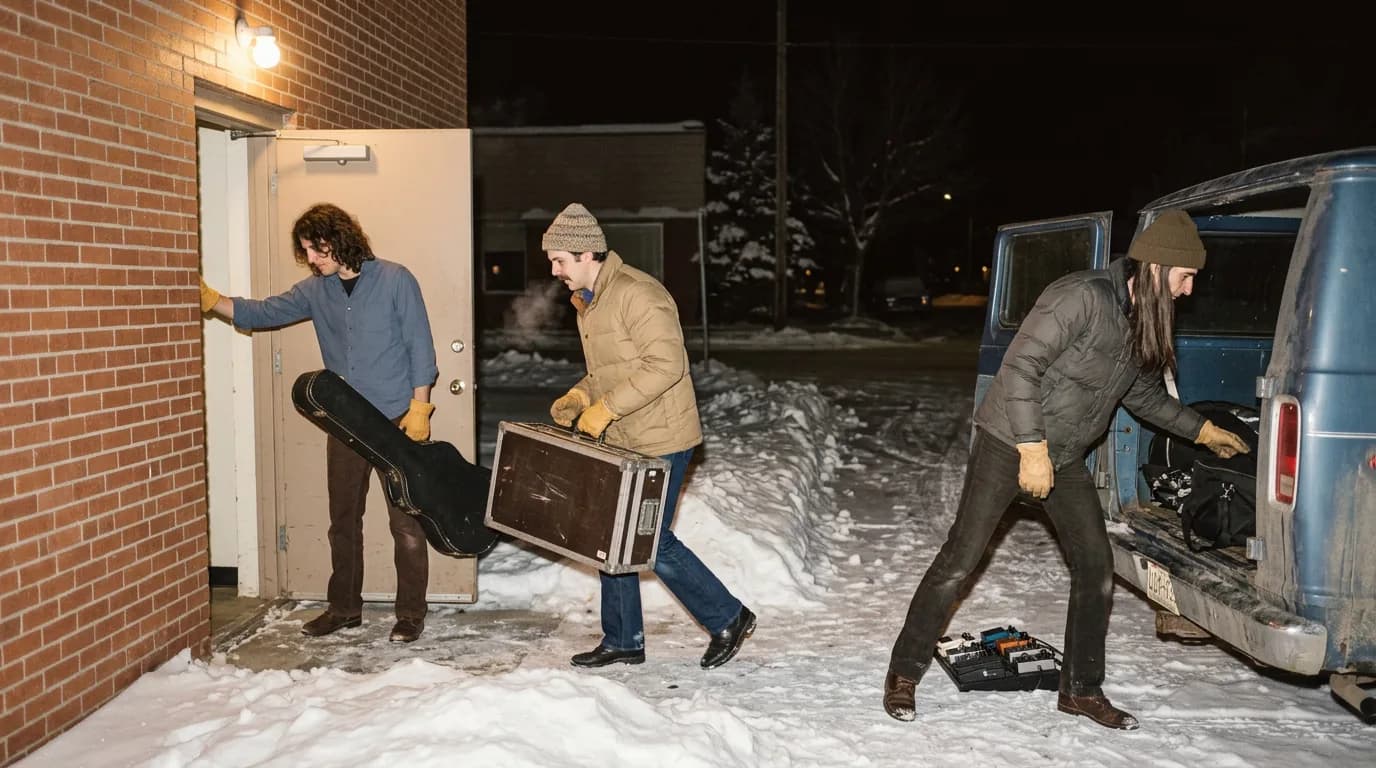
Load-in, side door. February 1981 · Butte. Twelve dates, eleven of them in Montana, one in Idaho, all of them loaded in through a door like this one. Photographer unidentified.

Reception

What was written at the time

★★★★★

Forty minutes into Equal Light I realized I was not listening to a record about trees, and I have not slept properly since. It is the most beautiful thing ever written about a zoning dispute, and I mean that as the highest compliment I am capable of.

Progressive Review Quarterly, 1982
★★★☆☆

Technically astonishing. Also, it is about trees. Three albums about trees. I kept waiting for it to be about something else, and my editor tells me that was the something else. I remain unsure.

Regional Music Weekly, 1985
★★★★★

My father played One Tree Standing for me once, and at the very end there is one chord and two words, and he looked over to see if I understood. I did. I still can't explain it to anyone — which I now understand was the point.

Listener letter, undated
★★★★☆

Side two of Equal Light is scored like a committee meeting, and it is the tensest music I own. Nothing happens. Everything is decided. I have never been so frightened by a record where no one raises their voice.

Sound & Signal, 1982
★★☆☆☆

Long. Serious. Wooden, in both senses. I am told there is a message; the band declined to provide it; I decline to look for it. Two stars — one for each word at the end, which I did enjoy.

The Daily Ledger, 1985

Articles of the Canopy

Printed on the inner sleeves, the tour shirts, and once on a banner the band did not authorise. Numbered here for reference.

  1. Article IA forest agreeing to grow the same height is not peace. It's just a lower ceiling.
  2. Article IIThey never said what it was about. On principle.
  3. Article IIIThree albums. One forest. I can.
  4. Article IVNo survivors. No suspects.
  5. Article VThe greedy shall inherit the stumps.
  6. Article VIEquality is temporary. Trees are patient.
  7. Article VIISome are more equal than others.

Visit the store